
The Role of a CPAP Clinic in Supporting Patients
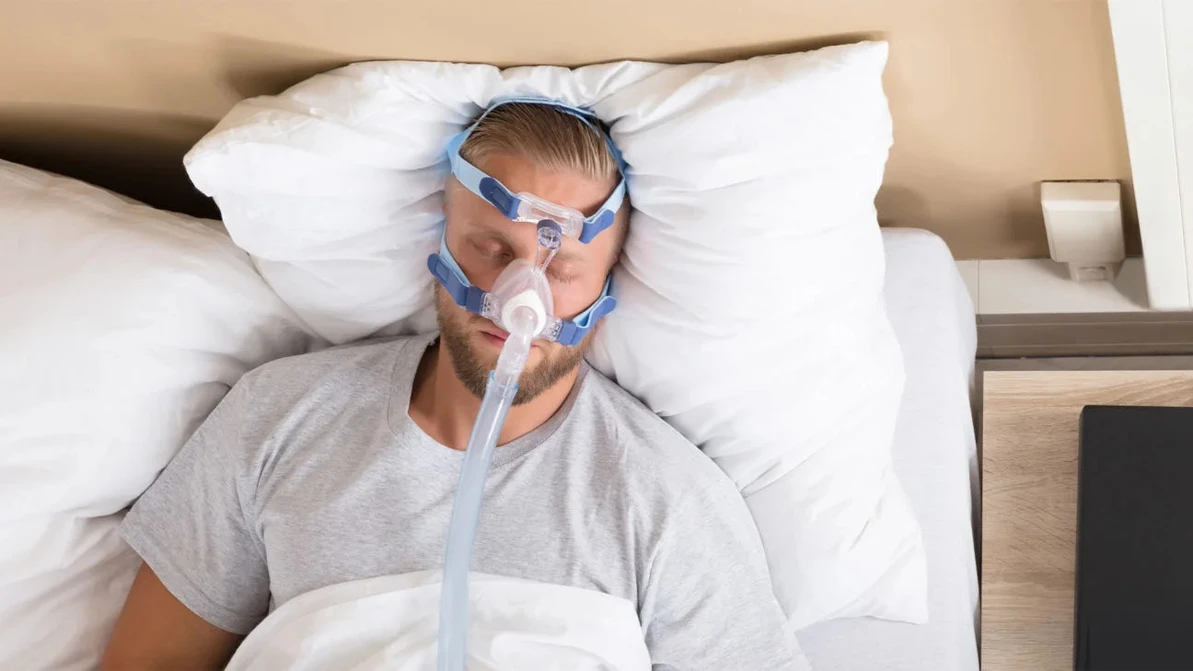
A CPAP clinic is a specialized facility that diagnoses and manages sleep-related breathing disorders and certain pulmonary conditions. These clinics bring together sleep specialists, respiratory therapists, and trained technicians who assess how breathing patterns change during sleep. Many people visit a CPAP clinic because they experience daytime fatigue or interrupted breathing at night. By combining testing, equipment, and ongoing support, a CPAP clinic helps patients understand their condition and work toward better rest. Here’s information on continuous positive airway pressure (CPAP) therapy and how medical clinics support patients with sleep apnea:
Diagnosing Sleep Apnea
Sleep apnea is a disorder where your breathing repeatedly stops and starts during sleep, and there are three main types:
- Obstructive Sleep Apnea: This is the most common form, and it occurs when the throat muscles relax and block the airway.
- Central Sleep Apnea: This form happens when the brain does not send proper signals to the muscles that control breathing.
- Complex Sleep Apnea: Complex forms are mixed; they combine features of both obstructive and central types.
To get a sleep disorder diagnosed, a specialist will first review your medical history and symptoms, then they may recommend a sleep study. An in-lab polysomnography test records your brain activity, oxygen levels, heart rate, and breathing throughout the night. Some CPAP clinic patients qualify for a home sleep apnea test, which uses portable equipment to track breathing and oxygen while you sleep in your own bed. A specialist then reviews the results to determine the type and severity of the condition.
Recommending a CPAP Machine
CPAP stands for continuous positive airway pressure, and CPAP therapy uses a machine that delivers a steady stream of pressurized air through a mask. This airflow helps keep the airway open during sleep. Clinicians often recommend CPAP therapy for people diagnosed with moderate to severe obstructive sleep apnea, though it may also apply to other cases.
A CPAP machine draws in room air, pressurizes it, and sends it through a tube connected to a mask. The mask may cover the nose, the mouth, or both, depending on your needs. Consistent pressure prevents the airway from collapsing, reducing breathing pauses. Clinic staff help patients select the right machine and mask, adjust the pressure settings, and learn how to clean and maintain the equipment. Proper mask fit matters, so technicians spend time making sure the mask stays comfortably in place throughout the night.
Coordinating Follow-up Care
After you begin therapy, staff schedule check-ins to review how well the treatment is working. Many modern machines record data such as usage hours, air pressure, and the number of breathing events, which helps the care team see whether adjustments are needed. During follow-up visits, a respiratory therapist may fine-tune pressure settings or suggest a different mask style if you experience discomfort. The clinic can also address common issues like dry mouth, nasal congestion, or skin irritation from the mask. Some patients need replacement supplies over time, and the clinic coordinates orders for tubing, filters, and cushions. Regular follow-up keeps the equipment working correctly and supports steady progress.
Find a CPAP Clinic Today
A CPAP clinic offers a structured path from diagnosis through daily management of sleep-related breathing disorders. The team guides you through testing, equipment selection, and ongoing adjustments so your therapy fits your needs. If you notice persistent snoring, frequent waking, or ongoing daytime tiredness, schedule an evaluation to determine what’s affecting your sleep. After diagnosing your condition, a specialist can help you understand your treatment options.