
A Beginner’s Guide to Different Types of Candle Making Supplies
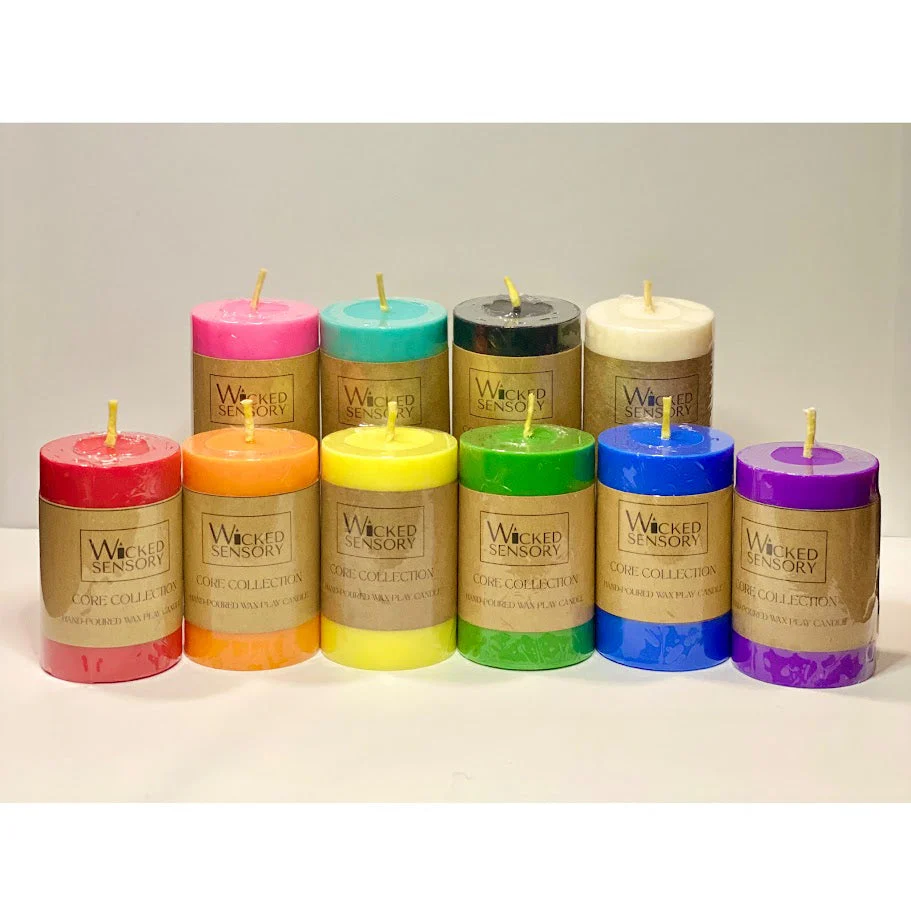
Candle making blends creativity and hands-on learning. Understanding various candle making supplies, such as waxes and wicks, enables you to approach the process with clarity. A few basic supplies are used in most candles, but variations in ingredients and combinations can create new design options as soap makers work with the materials. Here are a few things you should know about candle making supplies:
Candle Waxes
Soy waxes and beeswax can be ideal options for crafting quality candles. The type of candle wax you select determines your craft’s burn time and fragrance distribution. Using quality waxes also helps give your crafts a uniform surface texture, and this helps to optimize burn efficiency.
Appropriate waxes have a stable melting point; this allows you to craft candles that produce a clean and even burn. To evaluate wax performance, conduct burn tests to measure melt pool depth. The test also helps you observe the amount of soot produced by the flame. If a specific blend consistently resists tunneling and throws a robust scent across a room, it may meet the standard for production.
Candle Scents
The introduction of a carefully curated scent profile establishes the perceived value and market appeal of a quality candle. An ideal fragrance oil blends evenly with wax, and it remains stable throughout the production process. To source reliable scent supplies, you evaluate the flash point to make sure it blends seamlessly with warm wax without compromising its strength. You can easily select from options such as standard fragrance oils, gel oils, and all-natural blends to create popular floral or earthy profiles. By balancing these rich scent families, you can establish a memorable brand identity that captures consumer interest.
Candle Wicks
Selecting the proper candle wick determines how efficiently a candle draws liquid fuel up to the flame. Properly matched candle making supplies helps create an even melt pool and prevent issues such as tunneling or excess residue along the container. When the wick draws fuel at a steady rate, the flame can remain stable without flickering or smoke. Candle wicks regulate flame size, and this affects heat distribution across the wax surface.
A quality wick can retain its shape while burning and supports flame formation. Varied waxes burn at different rates, so wick formation should align with the intended formulation. Some wick types are designed to reduce mushrooming, while others are designed for larger melt pools; both styles require careful testing.
Wicks that create an even melt pool without overheating the container may support steady scent release. Some wick varieties you can choose from include cotton, wooden, and boosters. Selecting the appropriate wick for different performance needs requires a basic understanding of the different varieties available and how they combine with other candle making supplies.
Finding Suitable Candle Making Supplies
Getting started with candle making involves choosing materials that work well together from the beginning. Each element influences the candle’s performance, so clear product guidance makes it simpler for you to select the right supplies. Contact a reputable wholesaler and discover quality supplies available for crafting your homemade candles.