
How to Prepare for Your Mohs Skin Cancer Surgery Appointment
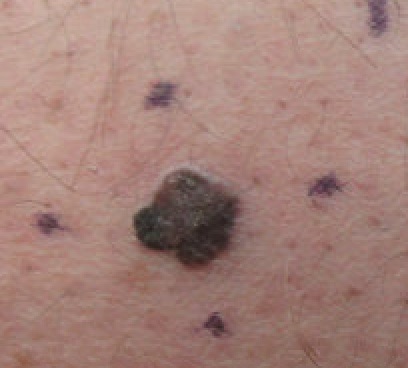
Skin cancer is a common form of cancer. Many cases develop on areas of the body that receive regular sun exposure, such as the face, ears, neck, and hands. When a skin cancer appears in one of these locations, treatment planning often involves balancing the removal of abnormal tissue with the preservation of healthy skin; Mohs surgery is a technique developed with this in mind.
What Is Mohs Surgery?
Mohs surgery is a precise, staged procedure used to remove certain skin cancers. Rather than excising a large area of tissue at once, the surgeon removes the visible portion of the tumor along with a thin layer of surrounding skin. That layer is then processed in an on-site laboratory, and there it is mapped and examined under a microscope.
The microscopic review allows the surgeon to evaluate the edges of the removed tissue. If cancer cells remain at any margin, the surgeon uses the map to identify their exact location. Another thin layer is then removed only from that specific area; this cycle continues until the examined tissue shows no remaining cancer cells. Because the same surgeon removes and reviews the tissue, the entire process can typically be completed in a single visit. The approach is intended to remove abnormal tissue while leaving as much healthy skin in place as possible.
What Does It Treat?
Mohs surgery is most commonly used for basal cell carcinoma and squamous cell carcinoma, the two most frequently diagnosed types of skin cancer. These cancers usually form in the outer layers of the skin, and they may extend beneath the surface in ways that are not visible to the naked eye. A dermatologist can recommend Mohs surgery for:
- Skin cancers on the face, eyelids, nose, lips, ears, scalp, hands, feet, or genitals
- Tumors with poorly defined borders
- Cancers that have returned after previous treatment
- Lesions that are large or fast-growing
The most suitable treatment depends on the type, size, and location of the cancer, as well as your overall health.
How Can You Prepare?
Mohs surgery is typically performed as an outpatient procedure under local anesthesia. This means you remain awake while the treatment area is numbed. After the first layer of tissue is removed, the wound is bandaged while the sample is examined. Processing each layer may take an hour or longer, so much of the visit is spent waiting. Once the margins are clear, the surgeon will discuss how to manage the wound. Depending on its size and location, the area can be left to heal on its own or closed with sutures. The following steps may help you prepare:
- Provide your care team with a complete list of your medications and supplements, including blood thinners.
- Eat a regular meal before arriving unless you are told otherwise.
- Wear comfortable, loose-fitting clothing.
- Bring reading material or another quiet activity for the waiting periods.
Your care team can provide wound care instructions before you leave.
Speak Further With a Dermatologist
People who have had one skin cancer may be more likely to develop another, so periodic full-body skin examinations are often recommended after treatment. If you have noticed a new or changing spot on your skin, a dermatologist can evaluate it and determine whether Mohs surgery or another approach is appropriate for you. A dermatologist may explain what is typical during the healing period and discuss scar management options if needed.