
Recognizing and Treating Varicose Veins
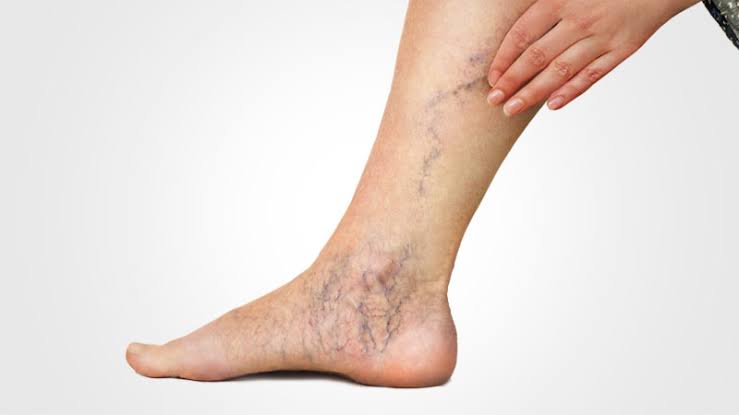
Varicose veins are enlarged, twisted veins that often appear on the legs. They will cause discomfort, and they may signal a problem with blood flow. Healthy veins contain valves that move blood toward the heart. When these valves weaken, blood collects in the vein.
Recognize Your Vein Symptoms
Varicose veins usually appear as blue or purple cords under the skin. Some veins bulge above the surface, and others look twisted or rope-like. You may also notice aching, heaviness, or throbbing in your legs. Many people have cramps at night, and symptoms often worsen after long periods of standing. Because symptoms vary, some people have visible veins without pain, while others have pain but no large visible veins. Symptoms can be mild or disruptive, and they tend to progress if not treated.
Leg fatigue after short activity is a common early sign, and some people notice a feeling of fullness in the lower leg. Discomfort may ease when you elevate your legs, but often returns when you stand again. Swelling that appears late in the day and fades overnight is also worth tracking. If symptoms interfere with daily activity or worsen over months, a vein evaluation can clarify the cause. Early assessment gives your provider a clearer picture of how the veins work and helps identify the next steps. Varicose veins can also affect the skin nearby.
Know Your Risk Factors
Varicose veins develop when valves in the veins stop working properly. Blood should flow upward toward the heart, but weak valves let it flow backward. As blood pools in the lower legs, pressure builds inside the veins, and the walls stretch. Over time, that increased pressure weakens the vein wall further, and the cycle continues. The vein loses its ability to recoil, and becomes permanently enlarged. Smaller veins nearby may come under pressure and develop the same valve problems. Because veins in the legs work against gravity, the valves carry a heavy load, and even minor valve damage can disrupt the entire flow path. Venous insufficiency does not always cause visible bulging veins at first. In early stages, you may only notice fatigue or mild swelling, and the underlying vein changes will not yet be visible.
Explore Your Treatment Options
Here is a quick overview of what shapes the treatment decision:
- Vein size matters: Smaller, surface-level veins respond well to sclerotherapy; larger or deeper veins often require ablation or phlebectomy.
- Imaging guides the plan: A duplex ultrasound shows how blood flows and identifies which valves are failing before any procedure begins.
- Combined approaches are common: Your provider can recommend more than one procedure to address veins at different levels.
RIA Endovascular offers several minimally invasive treatments for varicose veins. Each procedure targets the diseased vein, and blood then reroutes through healthy veins. Your provider reviews your symptoms and vein size before recommending an option. The best choice depends on vein location and your overall health, which your provider evaluates. Before selecting a treatment, your provider will likely order a duplex ultrasound. This imaging test shows how blood flows through your veins, and it helps identify which valves are failing. The results guide your provider toward the best approach, and they help rule out deeper vein conditions that may need separate attention.
Schedule Your Varicose Veins Consultation
An evaluation helps you understand your treatment options. Bring a list of your symptoms, and note any family history of vein problems. If you have aching, swelling, skin changes, or bulging veins, schedule a consultation. Providers examine your legs, and they explain which procedures fit your needs.